
This manual is your guide to safely operating, maintaining, and troubleshooting your Craftsman rotary lawn mower, ensuring peak performance and longevity.
Purpose of the Manual
This comprehensive manual serves as a vital resource for all Craftsman lawn mower owners. It details essential safety precautions, assembly guidance, and operational instructions to guarantee proper usage. Furthermore, it provides a structured maintenance schedule, troubleshooting tips for common issues, and crucial warranty information.
Understanding this manual ensures safe operation, prevents potential damage, and maximizes the lifespan of your Craftsman mower.
Safety Precautions
Prioritize safety! Always disconnect the spark plug wire before any maintenance. Never operate the mower without all guards and shields in place. Keep children and pets clear of the mowing area. Avoid operating on slippery surfaces or during inclement weather.
Refuel only when the engine is cool, and never while smoking. Wear appropriate safety glasses and footwear. Familiarize yourself with all warning labels and hazard symbols.
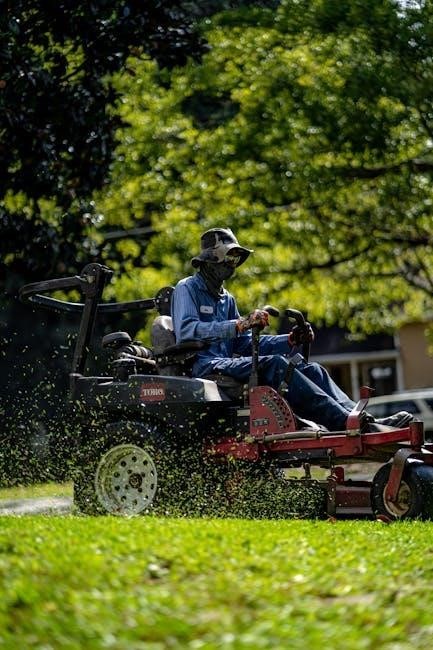
Understanding Your Craftsman Lawn Mower
This section details your mower’s components, from engine specs to the deck and drive system, aiding in proper operation and upkeep.
Model Identification
Accurate model identification is crucial for obtaining the correct parts and accessing specific information related to your Craftsman lawn mower. Locate the model number, typically found on a decal affixed to the mower’s deck or engine housing.
This number, such as M215 or 944, is essential when ordering replacement parts or consulting the Craftsman support website. Refer to this number throughout the manual for tailored guidance.
Key Components Overview
Your Craftsman lawn mower comprises several key systems. The engine provides power, while the deck and blade assembly cuts the grass. Self-propelled models feature a drive system for easier maneuvering. Familiarize yourself with the starter handle for ignition, and understand the housing assembly’s role in protecting internal parts. Regular inspection of these components ensures optimal functionality and safety during operation.
Engine Specifications
Craftsman lawn mower engines vary by model, but generally feature single-cylinder, gasoline-powered designs. Key specs include displacement (typically around 140-160cc), horsepower (ranging from 5-7 HP), and fuel capacity (around 20-25 ounces). Proper fuel and oil types, as detailed later, are crucial for optimal engine performance and longevity. Always refer to your specific model’s documentation for precise specifications.
Deck and Blade Assembly
The deck, typically constructed from stamped steel, houses the blade and directs airflow for efficient cutting. Blade length varies by model, usually between 21 and 22 inches. Regular inspection for damage is vital. Blade sharpening and balancing, covered in the maintenance section, are essential for a clean, even cut. Always disconnect the spark plug before working on the blade assembly for safety.
Drive System (Self-Propelled Models)
Self-propelled Craftsman mowers utilize a rear-wheel or front-wheel drive system, easing operation on inclines and uneven terrain. The drive engages via a control lever on the handle. Regularly check the drive belt for wear and tension, as outlined in the maintenance schedule. Proper adjustment ensures smooth, consistent forward motion and prevents slippage during operation.

Assembly Instructions
Carefully unpack your Craftsman mower and inspect all components for damage before beginning assembly, following the detailed steps provided within this guide.
Unpacking and Initial Inspection
Begin by carefully removing all packing materials from the mower and its components. Thoroughly inspect the engine, deck, wheels, and handle for any signs of shipping damage – dents, scratches, or broken parts.
Verify that all listed parts are present using the parts list included in this manual. If any parts are missing or damaged, do not attempt assembly; contact Craftsman customer service immediately for replacements. Retain the original packaging until assembly is complete and you are satisfied with the condition of the mower.
Handle Assembly
Attach the handle to the mower deck, aligning the handle grips with the designated mounting points. Securely fasten the handle using the provided bolts and washers, tightening them firmly with a wrench or screwdriver.
Ensure the handle is properly locked into place before operating the mower. Some models may feature adjustable handle heights; adjust to a comfortable position before proceeding. Double-check all connections for stability and safety before each use.
Wheel Installation
Begin by attaching the wheels to the mower deck, aligning the wheel axles with the corresponding slots. Push each wheel firmly onto the axle until it clicks or is securely seated.
Secure the wheels with the provided cotter pins or retaining clips, ensuring they are fully inserted to prevent accidental detachment during operation. Verify that all wheels rotate freely and are properly aligned for smooth mowing performance and maneuverability.

Operating Instructions
Before each use, inspect the lawn and remove debris. Always start and operate the mower on a level surface, following safety guidelines carefully.
Starting the Engine
Prior to starting, ensure the blade is disengaged and the parking brake is set. Check oil and fuel levels, adhering to recommended types. Prime the engine by pressing the primer bulb several times.
Then, firmly grasp the starter handle and pull briskly. If the engine doesn’t start after a few attempts, allow it to cool before trying again.
Never add fuel while the engine is running or hot, and always start outdoors.
Mowing Techniques
For optimal results, overlap each mowing pass by a few inches to prevent scalping and ensure a consistent cut. Maintain a steady walking pace, avoiding sudden stops or turns. When mowing thick grass, raise the cutting height and make multiple passes; Discharge clippings away from walkways and buildings. Regularly empty the grass catcher to maintain efficient operation and prevent clogging.
Adjusting Cutting Height
Your Craftsman mower features adjustable cutting heights, typically controlled by levers on each wheel. Consult your model’s specific diagram for precise locations. Lower settings are ideal for well-maintained lawns, while higher settings suit taller or uneven terrain. Adjust all wheels to the same height setting for a level cut. Regularly check and readjust as needed for optimal performance.

Maintenance Schedule
Regular upkeep—oil changes, air filter checks, and blade sharpening—is crucial for maintaining your Craftsman mower’s efficiency and extending its operational lifespan.
Regular Maintenance Tasks
Consistent maintenance ensures optimal performance and extends the life of your Craftsman lawn mower. Key tasks include checking the oil level before each use and changing it seasonally, typically after 25-50 hours of operation. Inspect and clean or replace the air filter regularly to maintain engine efficiency.
Furthermore, routinely inspect the spark plug for wear and replace it as needed. Always disconnect the spark plug wire before performing any maintenance to prevent accidental starting. Following these steps guarantees a reliable mowing experience.
Oil Changes
Regular oil changes are crucial for engine health. Consult your model’s manual for specific oil type and capacity recommendations. Typically, change the oil after every 25-50 hours of use, or at least once per season. Ensure the engine is warm before draining the old oil.
Properly dispose of used oil at a recycling center. Refill with fresh oil to the indicated level, checking the dipstick for accuracy. This simple task significantly prolongs engine life.
Air Filter Cleaning/Replacement
A clean air filter ensures optimal engine performance. Check the filter before each use, cleaning it if dusty. For paper filters, gently tap to remove debris; foam filters can be washed with soap and water, then oiled lightly.
Replace the filter annually, or more often in dusty conditions. A clogged filter restricts airflow, reducing power and increasing fuel consumption. Refer to your model’s manual for the correct filter type.
Spark Plug Inspection/Replacement
Regular spark plug inspection is crucial for reliable starting and efficient engine operation. Inspect the plug annually, or when experiencing starting difficulties. Look for fouling, wear, or damage.
Clean a lightly fouled plug with a wire brush; replace if heavily fouled or worn. Ensure the gap is correct using a feeler gauge, consulting your owner’s manual for specifications. Use only the recommended spark plug type.
Blade Sharpening and Balancing
Sharp blades ensure a clean cut and healthy lawn. Inspect blades regularly for dullness or damage. Sharpen dull blades using a file or grinding wheel, maintaining the original angle.
Crucially, after sharpening, balance the blade to prevent vibration and potential damage. An unbalanced blade can cause excessive wear and tear on the mower’s components. Use a blade balancer for accurate results.

Troubleshooting Common Issues
This section details solutions for typical problems like engine failure, uneven cutting, and drive system malfunctions, aiding quick repairs and minimizing downtime.
Engine Won’t Start
If the engine fails to start, first verify the fuel tank isn’t empty and the fuel shut-off valve is open. Check the spark plug connection and ensure it’s clean and properly gapped. A flooded engine requires allowing the spark plug to dry; remove it and pull the starter cord several times.
Confirm the safety bail is engaged during starting attempts. Inspect the air filter for obstructions. If issues persist, consult a qualified technician for further diagnosis and repair to avoid potential damage.
Uneven Cut
An uneven cut often indicates a dull or damaged blade. Sharpen or replace the blade, ensuring it’s correctly balanced to prevent vibration. Check the deck for obstructions like grass buildup, which can affect airflow and cutting quality. Verify the tires are inflated to the recommended pressure for a level deck.
Adjust the cutting height; excessively low settings can scalp the lawn. Maintain a consistent mowing speed for uniform results and consider overlapping passes slightly.
Drive System Problems
If the self-propelled system isn’t working, first check the drive cable for damage or disconnection. Ensure the blade engagement lever is fully engaged. Inspect the drive belt for wear or breakage, replacing it if necessary. Low oil levels can sometimes affect drive system operation, so verify the oil level.
A slipping belt may indicate tension adjustment is needed; consult the parts diagram for proper tensioning.

Warranty Information
Craftsman offers a limited two-year warranty covering defects in materials and workmanship, provided the mower receives proper maintenance as outlined in this manual.
Coverage Details
The warranty covers defects in materials and workmanship for two years from the original purchase date. This applies when the Craftsman lawn mower is maintained, lubricated, and tuned up strictly following the instructions detailed within this owner’s manual. Sears will, without charge, repair or replace any defective parts.
Coverage extends to manufacturing flaws, not issues arising from misuse, accidents, or lack of recommended maintenance. Proof of purchase is required for all warranty claims.
Warranty Limitations
This warranty does not cover damage resulting from improper use, negligence, accidents, or alterations. Wear items, such as blades and belts, are excluded from coverage. Furthermore, the warranty is void if maintenance isn’t performed as outlined in this manual.
Any unauthorized repairs or parts replacements will also invalidate the warranty. This limited warranty provides specific legal rights, and other rights may vary by location.
Parts Diagrams and Replacement
Locate detailed exploded views for easy identification of components and streamlined replacement of parts for your Craftsman lawn mower.
Locating Parts Diagrams
Accessing comprehensive parts diagrams is crucial for maintaining your Craftsman lawn mower. These diagrams, often available online through the Craftsman support website, visually represent each component’s placement and relationship to others. You can typically search by model number to find the specific diagram for your mower. Alternatively, some manuals include physical parts lists and diagrams. Utilizing these resources simplifies repairs and ensures you order the correct replacement parts, minimizing downtime and maximizing your mower’s lifespan.
Ordering Replacement Parts
Genuine Craftsman replacement parts are vital for maintaining your mower’s performance and warranty validity. Parts can be conveniently ordered through the Craftsman website, using your mower’s model number for accurate selection. Alternatively, authorized Craftsman dealers and service centers can assist with ordering. When purchasing, have the part number from the diagram readily available to ensure compatibility. Always prioritize original parts to guarantee a proper fit and reliable operation, extending your mower’s service life.

Safety Symbols Explained
Understand warning labels and hazard symbols on your mower; they alert you to potential dangers and provide crucial safety instructions for operation.
Understanding Warning Labels
Craftsman lawn mowers feature prominent warning labels designed to maximize operator safety. These labels utilize universally recognized symbols and concise text to communicate potential hazards. Pay close attention to labels concerning blade safety – never place hands or feet near a rotating blade! Heed warnings about fuel handling, avoiding spills and operating in well-ventilated areas. Labels also address safe operating practices, like removing obstructions before mowing and ensuring bystanders are a safe distance away. Ignoring these warnings could result in serious injury.
Recognizing Hazard Symbols
Your Craftsman mower employs standardized hazard symbols to quickly alert you to potential dangers. A symbol depicting a flying object signifies the risk of projectiles; always wear eye protection. The flame symbol warns of flammable fuels – handle with extreme caution. A symbol showing a hand near a blade indicates blade-related hazards; never reach under the deck while the engine is running. Understanding these symbols is crucial for safe operation and preventing accidents. Refer to the manual for a complete symbol glossary.

Fuel and Oil Recommendations
Use only approved gasoline and recommended oil viscosity for optimal engine performance and to maintain warranty coverage, as detailed within.
Approved Fuel Types
Your Craftsman lawn mower requires unleaded gasoline with a minimum octane rating of 87. It is crucial to avoid using gasoline blends containing ethanol exceeding 10%, as higher concentrations can damage the fuel system.
Always ensure the fuel is fresh; stale fuel can cause starting difficulties and engine performance issues. If storing the mower for extended periods, utilize a fuel stabilizer to prevent fuel degradation. Never mix oil with gasoline, as this mower is designed for separate lubrication.
Recommended Oil Viscosity
For optimal engine performance and longevity, Craftsman recommends using SAE 30 oil for temperatures above 40°F (4°C). Below 40°F, utilize SAE 10W-30 oil to ensure proper lubrication during colder conditions.
Always check the oil level before each use and maintain it within the designated range. Using the correct viscosity is vital for protecting engine components from wear and tear, maximizing efficiency, and extending the mower’s lifespan.
Storage Instructions
Proper storage prepares your mower for extended periods of inactivity, protecting it from damage and ensuring easy starting next season.
Preparing for Long-Term Storage
Before storing your Craftsman lawn mower for an extended period, thoroughly clean the underside of the deck to prevent corrosion from grass clippings. Stabilize the fuel or drain it completely to avoid gumming up the carburetor.
Change the oil, and remove the spark plug wire for safety. Store the mower in a dry, covered area, protecting it from the elements. Consider a protective cover to shield against dust and debris, ensuring it’s ready for the next mowing season.
Winterizing Your Mower
Winterizing prepares your Craftsman mower for cold-weather inactivity. After the final mow, drain all fuel or use a fuel stabilizer to prevent carburetor issues. Remove the spark plug and pour a tablespoon of oil into the cylinder, then pull the starter cord to distribute it.
Change the oil and clean or replace the air filter. Store the mower in a dry, sheltered location, ideally covered, to protect it from snow and moisture throughout the winter months.

Additional Resources
For further assistance, visit the official Craftsman support website or contact their customer service team for expert guidance and support.
Craftsman Support Website
The Craftsman website provides a wealth of resources, including frequently asked questions, detailed parts diagrams for various models, and downloadable versions of owner’s manuals. You can often find troubleshooting guides specific to common issues encountered with Craftsman lawn mowers.
Furthermore, the site offers a convenient tool for locating local authorized service centers should you require professional repair assistance. Accessing these online resources can often resolve minor problems quickly and efficiently, saving you time and money.
Contacting Customer Service
For personalized assistance, Craftsman offers dedicated customer service channels. You can typically reach them via phone during business hours for immediate support with operational questions or warranty claims. Alternatively, many inquiries can be addressed through their online contact form, allowing for detailed descriptions of your issue.
Be prepared to provide your mower’s model number when contacting support to expedite the assistance process and ensure accurate information is provided.