
Tommy Hilfiger offers a curated sizing system that balances classic fit with contemporary tailoring․ Understanding the brand’s size philosophy ensures a flattering silhouette, while accurate measurements prevent ill-fitting garments and streamline returns․ This guide aligns measurements with iconic style, confident
1․1 Overview of Tommy Hilfiger Brand
Tommy Hilfiger, founded in 1985 by designer Tommy Hilfiger, has evolved from a niche American pre‑ppy label into a global fashion powerhouse renowned for its timeless blend of classic Americana and modern sophistication․ The brand’s aesthetic is rooted in clean lines, crisp tailoring, and a palette that balances navy, white, and subtle accents, while its iconic logo—an interlocking “T” and “H”—serves as an instantly recognizable emblem of quality and heritage; Over the decades, Tommy Hilfiger has expanded beyond apparel into accessories, footwear, and home décor, consistently maintaining a focus on craftsmanship, fit, and detail․ Its product lines cater to men, women, and children, offering everything from casual tees and denim to formal suits and seasonal collections․ The brand’s commitment to inclusivity is reflected in its diverse runway shows, community outreach, and collaborations with artists and designers from around the world․ Tommy Hilfiger’s manufacturing philosophy emphasizes sustainable practices, such as using recycled fabrics, reducing waste, and partnering with suppliers who share ethical standards․ This dedication to responsible production aligns with the brand’s broader mission to create fashion that is both aspirational and accessible, ensuring that consumers can enjoy a polished look without compromising on values․ Whether you’re exploring the latest capsule collection or investing in a timeless blazer, understanding the brand’s heritage and design principles can enhance your appreciation of its sizing system and help you select pieces that fit your personal style and body shape․
Tommy Hilfiger’s global presence is reflected in flagship stores across major cities, pop‑up experiences, and a robust e‑commerce platform that offers curated selections and personalized styling advice for every customer․
Shop confidently․!!!

1․2 Importance of Accurate Sizing
Accurate sizing is the cornerstone of a satisfying shopping experience, especially for a brand that prides itself on precision fit like Tommy Hilfiger․ When measurements align with the garment’s design, the result is a silhouette that flatters the wearer, enhances confidence, and reduces the need for costly alterations․ Conversely, a misfit can lead to discomfort, a loss of brand trust, and unnecessary returns that strain both the consumer and the retailer․ For Tommy Hilfiger, whose collections span from relaxed tees to tailored blazers, the difference between a medium and a large can be subtle yet significant; a small deviation in chest or waist measurements can shift a garment from a polished look to a baggy silhouette․ Accurate sizing also supports sustainability by minimizing waste—fewer returns mean fewer resources spent on shipping, handling, and restocking․ Moreover, it empowers shoppers to make informed choices, ensuring that each purchase serves their lifestyle and body shape․ In an era where online shopping dominates, precise size guidance becomes even more critical, as customers rely on digital tools and brand‑provided charts to replicate in‑store fit․ By investing time in measuring accurately and consulting the brand’s detailed size guide, consumers can enjoy a seamless fit that reflects Tommy Hilfiger’s commitment to quality and style․
Customers who follow the brand’s sizing guidelines experience fewer fit issues, leading to higher satisfaction and repeat purchases․ By aligning measurements with Tommy Hilfiger’s standards, shoppers can trust that each garment will perform as intended, whether worn for work, travel, or casual outings․ Accurate fit also reduces the environmental impact of unnecessary returns and confidence now today․

General Size Conversions
Tommy Hilfiger’s sizing aligns closely with international standards, yet subtle variations exist․ A US medium typically equals a UK 8 and an EU 38, while a US large matches UK 10 and EU 40․ Always cross‑check measurements, as fit can differ between tops, bottoms, and outerwear․ Refer to chart conversions online․
2․1 US vs․ UK vs․ EU Standards

Tommy Hilfiger’s sizing system is designed to bridge the gap between American, British, and European measurement conventions while preserving the brand’s signature fit․ In the United States, sizes are typically labeled with letters (XS, S, M, L, XL, XXL) and correspond to specific chest, waist, and hip measurements in inches․ For example, a U․S; medium usually measures 38–40 inches at the chest, 32–34 inches at the waist, and 42–44 inches at the hips․ The United Kingdom uses a similar numeric system but applies a different conversion scale; a U;S․ medium often equals a UK 8, and a U․S․ large corresponds to a UK 10․ This half‑size difference arises from the UK’s historical sizing practices, which tend to be slightly larger in the chest and waist than their U․S․ counterparts․ European sizing is expressed in centimeters and follows a linear progression (38, 40, 42, 44, etc․)․ A U․S․ medium generally matches an EU 38, while a U․S․ large aligns with an EU 40․ However, these conversions are not rigid; they can shift depending on the garment type․ Tops, trousers, and outerwear each have distinct cut profiles, and the brand’s design team may adjust the measurements to achieve a tailored silhouette that balances comfort with style․ Therefore, when shopping online or in international stores, it is crucial to consult the specific size chart for each product line․ By understanding the relationships between U․S․, U․K․, and EU sizes, shoppers can confidently select a size that will fit as intended, regardless of the market in which the item is sold․
2․2 How Tommy Hilfiger Aligns with Global Sizes
Tommy Hilfiger’s global sizing strategy unites a core U․S․ framework with UK and EU equivalents, ensuring a consistent fit worldwide․ The brand maps chest, waist, hip, inseam, and sleeve measurements across regions, using a standardized conversion table․ A U․S․ medium (38–40 inches chest, 32–34 inches waist) aligns with a UK 8 and an EU 38, allowing shoppers to select the right size regardless of location․ The conversion tables are calibrated using a global measurement database that includes body shape variations across continents․ For example, the chest width for a U․S․ medium is 38 inches, but the UK equivalent may be slightly wider to accommodate a broader shoulder profile․ The EU 38 uses centimeters, translating to 96․5 cm chest, ensuring consistency for European shoppers․ This meticulous mapping allows the brand to maintain a uniform silhouette while respecting regional sizing nuances․ Additionally, the brand collaborates with experts to validate conversions, ensuring a U․S․ large (40–42 inches chest) aligns with a UK 10 and an EU 40․
The brand also employs a digital sizing assistant on its website, which prompts shoppers for key measurements and recommends the most accurate size based on the global chart․ This tool reduces return rates and enhances customer satisfaction․ The website’s sizing assistant also offers visual guides, allowing users to compare their measurements with the brand’s ideal fit․ Staff receive regular workshops on interpreting the charts, ensuring in‑store fittings are as accurate as online ones․ The return policy covers free exchanges across borders, reinforcing confidence in the sizing system․
Tommy Hilfiger also trains retail staff on the global chart, offers free cross‑border exchanges, and continuously refines sizes using sales analytics․ This holistic approach keeps the brand’s fit precise, sustainable, and aligned with evolving consumer expectations worldwide globally! Data from returns is analyzed monthly to identify recurring size mismatches, prompting chart adjustments․ The brand’s sustainability initiative focuses on reducing overproduction by offering a precise size range, lowering waste․ Future releases will incorporate adaptive sizing, leveraging AI to predict optimal fit for individual customers․
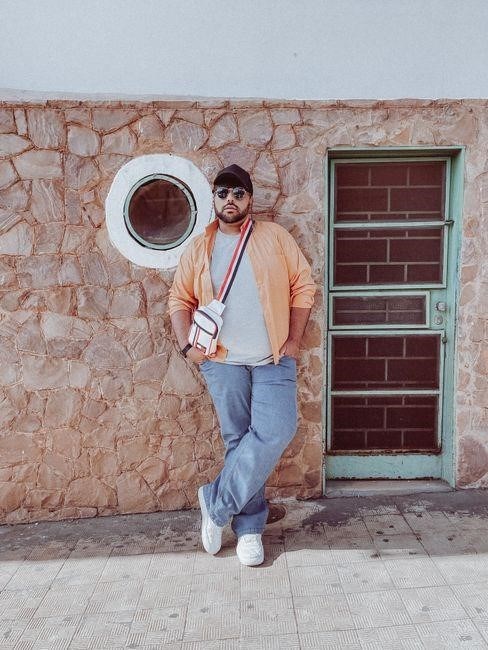
Key Measurements for Different Garment Types
Tommy Hilfiger’s sizing guide focuses on key measurements for each garment type․ Women’s tops require bust, waist, and length; dresses need bust, waist, hip, and hem․ Men’s shirts call for chest, waist, sleeve, and collar․ Jackets add shoulder width and sleeve length․ Accurate numbers ensure a perfect fit․!!!!!!!
3․1 Women’s Tops and Dresses
For Tommy Hilfiger women’s tops, start with the bust measurement: wrap the tape around the fullest part of the bust, keeping it level․ Next, measure the waist at the natural waistline, just above the belly button․ The length is taken from the shoulder seam to the hem․ Sleeve length is measured from the shoulder seam to the cuff․ These core numbers determine the size label (XS, S, M, L, XL)․ The brand’s fit is slightly relaxed, so a 1‑inch allowance is recommended for each dimension if you prefer a looser feel․ For dresses, add hip measurement: measure around the fullest part of the hips, keeping the tape parallel to the floor․ Also note the dress length (hip‑to‑floor or floor‑to‑floor) and the neckline depth․ If the dress has a fitted waist, measure the waist at the narrowest point․ These precise figures help you choose the correct size and reduce the need for alterations․ Always compare your numbers to the official Tommy Hilfiger size chart, which lists the exact ranges for each size in inches and centimeters․ If your measurements fall between two sizes, choose the larger size for a comfortable fit, especially for longer garments that may need to be hemmed later․ Remember that fabric type (cotton, linen, silk) can affect drape; heavier fabrics may require a slightly smaller size for the same silhouette․ By following these guidelines, you’ll find a top or dress that fits true to the brand’s classic aesthetic and feels tailored to your body shape․
When shopping online, use the brand’s digital fitting tool, which asks for your bust, waist, hip, and height․ The tool calculates the best size based on your body shape and the garment’s cut․ For in‑store purchases, bring a measuring tape and ask the associate to confirm your measurements against the size chart․ This double‑check reduces the chance of a size mismatch․
3․2 Men’s Shirts and Jackets
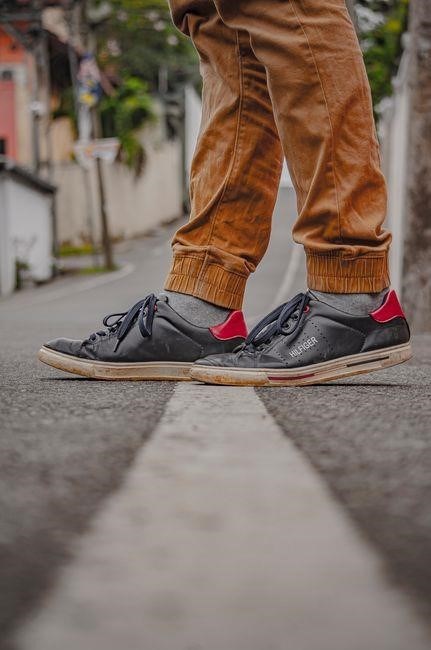
Tommy Hilfiger men’s shirts and jackets feature a classic, slightly relaxed fit that blends modern tailoring with everyday comfort․ Begin by measuring the chest: wrap the tape just under the armpits around the fullest part of the chest, keeping it level․ Measure the waist at the natural waistline, just above the belly button․ For jackets, also record the sleeve length from the shoulder seam to the cuff and the jacket length from the top of the shoulder to the hem․ Measure the collar by placing the tape around the base of the neck, snug but not tight․ These core numbers determine the size label (S, M, L, XL, XXL)․ The brand’s regular fit is a bit roomier in the chest and shoulders, so add a 1‑inch allowance if you prefer a looser feel; choose the smaller size for a more tailored look․ Compare your measurements to the official Tommy Hilfiger size chart, which lists exact ranges in inches and centimeters․ If your numbers fall between two sizes, pick the larger size for comfort, especially for jackets that may need tailoring at the waist or sleeve․ Fabric type affects drape: heavier blends like wool or cotton‑wool may require a slightly smaller size․ When shopping online, use the digital fitting tool that asks for chest, waist, sleeve, and height; it calculates the best size based on your shape and the garment’s cut․ For in‑store purchases, bring a measuring tape and confirm your measurements against the size chart with an associate․ This double check reduces the chance of a size mismatch Try on the garment first for confidence and style!

Online vs․ In-Store Sizing Accuracy
Online sizing relies on digital tools that ask for chest, waist, sleeve, and height, offering instant size suggestions․ In‑store fitting allows real‑time adjustments, letting staff measure directly and recommend the best fit․ Combining both methods ensures optimal accuracy․ Shop confidently with precise measurements
4․1 Comparing Digital Tools
Digital fitting solutions have evolved from simple size selectors to immersive, AI‑driven experiences․ A basic tool asks for height, weight, chest, waist, and hip measurements, then maps the data onto a generic sizing matrix․ While quick, it often ignores subtle body proportions that influence fit․
More advanced platforms use 3D body scanning or smartphone camera input to capture a full silhouette․ Algorithms analyze torso length, shoulder width, arm span, and even posture, providing a personalized recommendation that accounts for variations in shape and style preference․ These tools can flag potential issues such as a longer torso or narrower shoulders, suggesting a size that balances overall comfort․
Pros of high‑tech scanners include increased accuracy, reduced return rates, and a more engaging shopping experience․ Cons involve higher cost, limited availability on mobile devices, and privacy concerns over biometric data․ Many retailers mitigate this by offering a hybrid approach: a quick measurement entry followed by a visual preview of how the garment might drape on a generic avatar․
When choosing a digital tool, consider its integration with the brand’s inventory․ Some systems pull real‑time stock levels and fit data, ensuring that the recommended size is not only the best fit but also in stock․ Others rely on static models that may not reflect recent changes in production cuts․

Ultimately, the most reliable method combines user‑entered data with machine learning insights․ By continuously refining algorithms with customer feedback and return analytics, brands can deliver a virtual fitting experience that rivals the precision of a physical fitting room․
Fit matters, too․
4․2 Tips for In-Store Fitting
When you step into a Tommy Hilfiger boutique, the first step is to understand the brand’s fit philosophy: a blend of classic tailoring with a relaxed, modern silhouette․ Begin by measuring your own body—take a tape measure and record chest, waist, hips, inseam, and sleeve length․ Bring this data with you; it will help the associate recommend the most suitable size․
Ask for a fitting room that offers a mirror and a comfortable seating area․ Try on the garment at full speed, then walk through the room to observe how it moves with your natural gait․ Pay special attention to the shoulders: the seam should sit just below the shoulder blade without pulling․
Next, test the sleeve length by raising your arms․ The cuff should sit at the wrist bone, leaving a 1/2 to 1 inch gap between the cuff and the wrist․ For trousers, ensure the waistband sits at the natural waist without digging into the hips․ If the hem feels too short, ask for a slight alteration; Tommy Hilfiger’s in‑store tailoring services can adjust the length to your exact preference․
Don’t forget to try on accessories such as belts or suspenders, as they can alter the overall fit․ If the garment feels too loose, consider a slimmer cut or a smaller size․ Conversely, if it’s too tight, a larger size or a different cut may be necessary․ Use the mirror to check for any gaping or pulling at the seams․
Finally, compare the in‑store fit with online reviews and the brand’s size chart․ If you’re still uncertain, request a second opinion from another associate or a customer service representative․ By combining personal measurements, hands‑on fitting, and professional advice, you’ll secure a Tommy Hilfiger piece that fits like it was made just for you․

Troubleshooting and Adjustments
If a Tommy Hilfiger item feels off, start by checking the fit at key points: shoulders, chest, waist, and length․ Small adjustments—like a 1‑inch hem trim or a 2‑inch sleeve tweak—can make a big difference․ For persistent issues, consult the brand’s tailoring service or return policy․ Check fit after tailoring․ 5%!!․
5․1 Common Size Misalignments
Tommy Hilfiger’s design ethos leans toward a relaxed, yet tailored silhouette, which can lead to a few recurring fit hiccups․ Below are the most frequent misalignments shoppers report, along with quick diagnostic cues to help you pinpoint the issue before you hit the return button․
- Shoulder Width: A jacket that feels too tight across the shoulders often indicates a size‑down or a “slim” cut․ Conversely, a loose shoulder can signal a size‑up or a “regular” cut that’s been stretched by the fabric․
- Chest/Chest Depth: Shirts that bunch at the front or sag in the back usually mean the chest measurement is too small․ A snug, smooth front without excess fabric is a sign of the correct chest fit․
- Waist/Length: Pants that sit too high or too low on the hips, or that fall short of the ankle, are classic length or waist misalignments․ A proper fit keeps the waist at the natural crease and the hem at the ankle line․
- Arm/Sleeve Length: Sleeves that end above the wrist or extend past the elbow can be a result of a size mismatch, or a cut that’s too long for the wearer’s frame․
- Overall Proportion: A garment that feels “stretched” across the torso or “tight” in the midsection often reflects a size that doesn’t match the wearer’s body proportions, especially if the wearer has a broader chest or a slimmer waist․
By systematically checking these key areas, you can quickly identify why a Tommy Hilfiger piece may not fit as expected and take corrective action—whether that’s a simple adjustment, a return, or an alteration․ saves time and keeps you looking sharp!
5․2 Recommendations for Alterations
When a Tommy Hilfiger garment doesn’t fit as intended, precise alterations can restore its classic silhouette without compromising the brand’s design․ Below are targeted, practical adjustments and guidance for selecting a tailor․
- Shortening or Lengthening: Trim sleeves, hems, or add panels to achieve the desired length while preserving pattern integrity․
- Chest and Waist Reshaping: Ease or tighten side seams to correct a tight chest or high waist, ensuring a natural fit․
- Shoulder Adjustment: Add or remove shoulder padding or subtly widen seams for a better shoulder contour․
- Armhole Refinement: Trim or add a gusset to relieve pulling at the armhole without altering sleeve length․
For garments requiring more complex changes—such as altering a jacket’s cut or converting a dress—consulting a tailor experienced with designer brands ensures the final result respects the garment’s construction and aesthetic․
This approach preserves the garment’s integrity while achieving a personalized fit!!!
Choose a tailor experienced with designer fabrics; review before‑and‑after photos and verify thread quality․ Simple trims typically cost $10–$30, while extensive reshaping ranges $30–$80․ Some retailers partner with local tailors, so inquire before purchase․ Bring the garment, measurements, and a clear fit goal so the tailor can provide a realistic estimate and timeline, ensuring the final piece aligns perfectly with your body and style․
Clear communication of your desired fit helps the tailor estimate time and cost․