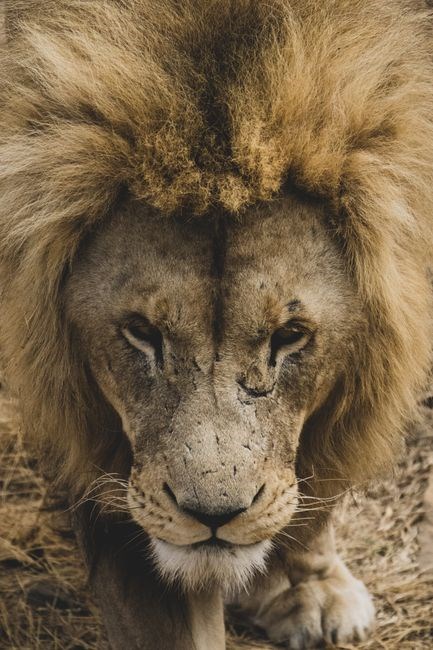
Overview of Lion Dietary Requirements
Adult lions require a protein‑rich diet, primarily fresh meat, supplemented with occasional bones and organs. Their carnivorous metabolism demands 8–10 kg of flesh daily, with water intake around 3–4 L. Proper nutrition supports muscle mass, coat health, and reproductive success. Calcium supports bone and
Key Nutritional Components for Lions
In a captive setting, a lion’s diet hinges on a precise balance of macro‑and micronutrients that mirror its wild prey profile. The core of the meal plan is high‑quality protein, sourced from fresh or frozen beef, lamb, or venison, which supplies essential amino acids such as lysine, methionine, and threonine for muscle repair and growth. lions are obligate carnivores; however, a modest inclusion of fibrous vegetables (e.g., pumpkin or sweet potato) can aid digestion and provide soluble fiber for gut health.
- Protein: 25–30 % of total caloric intake; 8–10 kg of meat per adult lion per day.
- Fat: 10–15 % of calories, primarily unsaturated fats to support energy density and skin condition.
- Calcium & Phosphorus: 2–3 g of calcium and 1–1.5 g of phosphorus daily, often delivered via bone fragments or commercial supplements.
- Vitamin A: 10,000–15,000 IU to maintain vision and immune function.
- Vitamin D: 800–1,200 IU to facilitate calcium absorption.
- Vitamin B complex: B12, niacin, and riboflavin for metabolic processes.
- Omega‑3 fatty acids: 200–300 mg of EPA/DHA to support cardiovascular health.
- Water: 3–4 L per day, preferably fresh and filtered.
Micronutrient supplementation should be tailored to individual needs, monitored through periodic bloodwork, and adjusted based on age, reproductive status, or health conditions. This framework ensures that each lion receives the necessary building blocks for robust muscle mass, a lustrous mane, and overall physiological resilience.
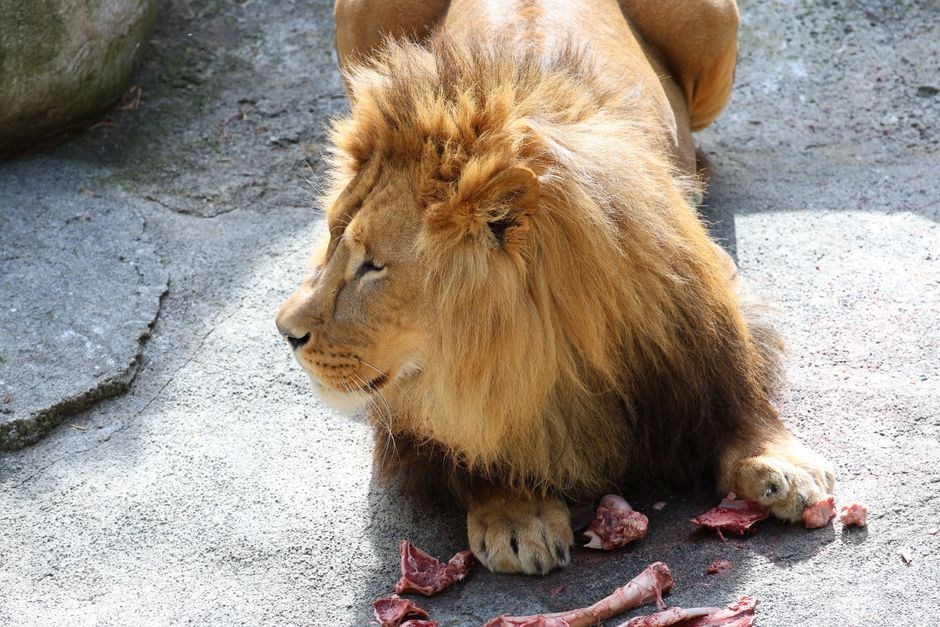
Recommended Daily Intake and Caloric Needs
Adult lions consume roughly 8–10 kg of fresh meat daily, equating to 10,000–12,000 kcal. Juveniles need 6–8 kg, while pregnant or lactating females require an extra 2–3 kg. Water intake should be 3–4 L per day, ensuring optimal hydration and digestion and electrolytes!!!!!!
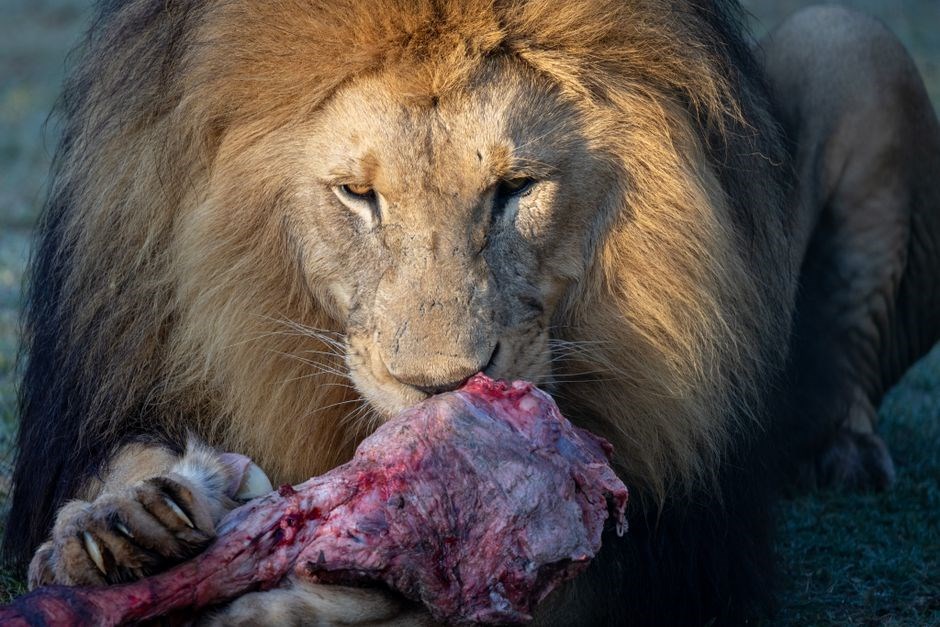
Caloric Distribution Across Meals
In a captive environment, an adult lion’s 10,000–12,000 kcal daily requirement is usually split into two substantial feedings. Each meal delivers roughly 5,000–6,000 kcal, equivalent to 4–5 kg of high‑fat, fresh meat such as beef, lamb, or venison. The first portion is offered in the morning, allowing digestion before the afternoon activity period, while the second is given in the late afternoon or early evening, replenishing reserves and aligning with the lion’s natural circadian rhythm. This two‑meal schedule mirrors wild hunting patterns, where lions may consume a large haul after a kill and rest before a second hunt later in the day. Consistency helps caretakers monitor intake, prevent over‑feeding, and maintain appropriate body condition. Meal timing should coincide with dawn and dusk hunting windows to reinforce instinctual behavior and reduce stress. The schedule also facilitates observation of appetite and health status, enabling timely adjustments. Juveniles receive three smaller meals, each about 2,000–2,500 kcal, to meet higher metabolic rates and growth demands. Pregnant or lactating females get slightly larger portions, with the second meal enriched with calcium‑rich bones to support fetal development and milk production. Senior lions, with lower activity levels, may benefit from a reduced total intake and a single larger meal supplemented by a light protein snack to preserve muscle tone. Seasonal variations in prey availability can be simulated by adjusting meat fat content, ensuring a nutritionally balanced diet that reflects natural conditions. Veterinary monitoring of body condition scores and periodic blood work confirms that the caloric split supports optimal physiological function. Track metabolic markers such as glucose, triglycerides, and liver enzymes to fine‑tune the diet weekly!!
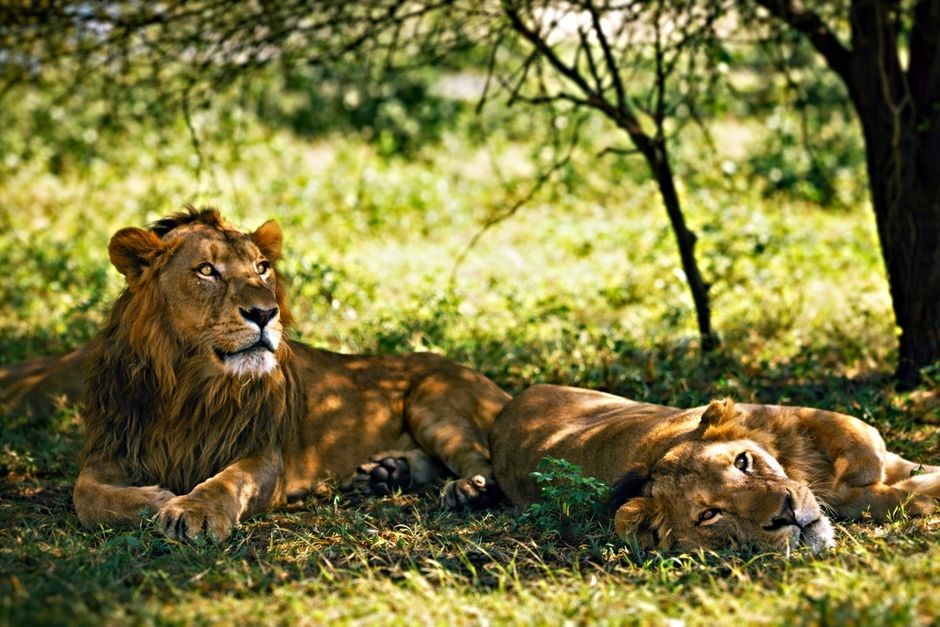
Primary Protein Sources
Fresh ungulate meat—such as beef, lamb, or venison—provides 20–25 g protein per 100 g. Wild prey like antelope or zebra offers balanced amino acids and essential fatty acids. Rotating species prevents nutrient gaps and mimics natural hunting diversity. Seasonal prey shifts mimic.
Fresh Meat and Animal Species
Fresh meat remains the cornerstone of a captive lion’s diet, delivering essential amino acids, iron and B12 that support muscle maintenance. Preferred species include beef, lamb, venison, elk, and bison, each offering a distinct protein profile and fat composition that mirrors the variety lions encounter in the wild. Rotational feeding—alternating between red meats and game—helps prevent nutritional monotony and encourages natural foraging behavior. Cuts provide energy reserves, while leaner portions like sirloin or venison tenderloin reduce excess caloric load. In addition to muscle meat, incorporating organ meats—particularly liver, heart, and kidney—introduces vital micronutrients like vitamin A, iron, and zinc. These organs should constitute no more than 10% of the daily protein intake to avoid hypervitaminosis. When sourcing meat, prioritize fresh, pathogen‑free cuts from reputable suppliers, and consider pre‑freezing to preserve quality. For juvenile lions, a higher protein ratio (up to 30% of the diet) supports rapid growth, whereas senior lions benefit from moderate protein levels paired with digestibility. Finally, supplementing with occasional small fish or poultry can diversify the diet and provide omega‑3 fatty acids that promote cardiovascular health and coat sheen. Consistent monitoring of body condition and blood work ensures that the chosen meat mix meets individual metabolic demands. Regular veterinary assessment of hemoglobin, albumin, and lipid panels confirms that protein sources are effectively supporting physiological functions, allowing adjustments to the feeding protocol as the lion ages or experiences health changes. By aligning the meat selection with the lion’s natural prey spectrum, caretakers can replicate evolutionary feeding patterns, fostering both physical well‑being and psychological enrichment!!
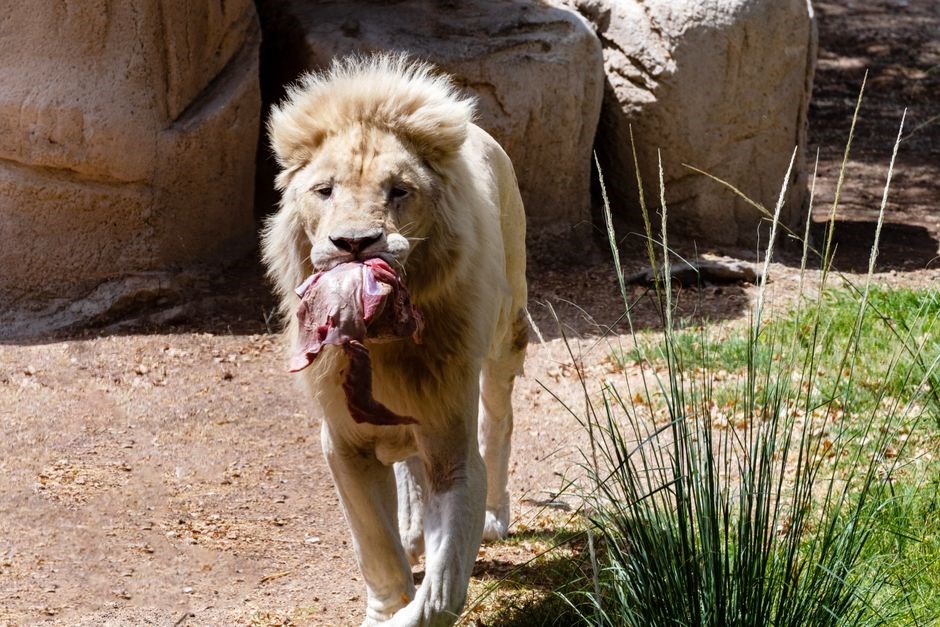
Supplementary Bones, Organs, and Vegetables
Bones supply calcium and phosphorous, organs deliver vitamins A, D, B12, and iron, while vegetables add fiber, antioxidants, and hydration. Offer marrow bones, rib bones, liver, heart, and kidney, plus leafy greens, carrots, and pumpkin for balanced digestion. Adds calcium, phosphorus, vitamin D for bones and.
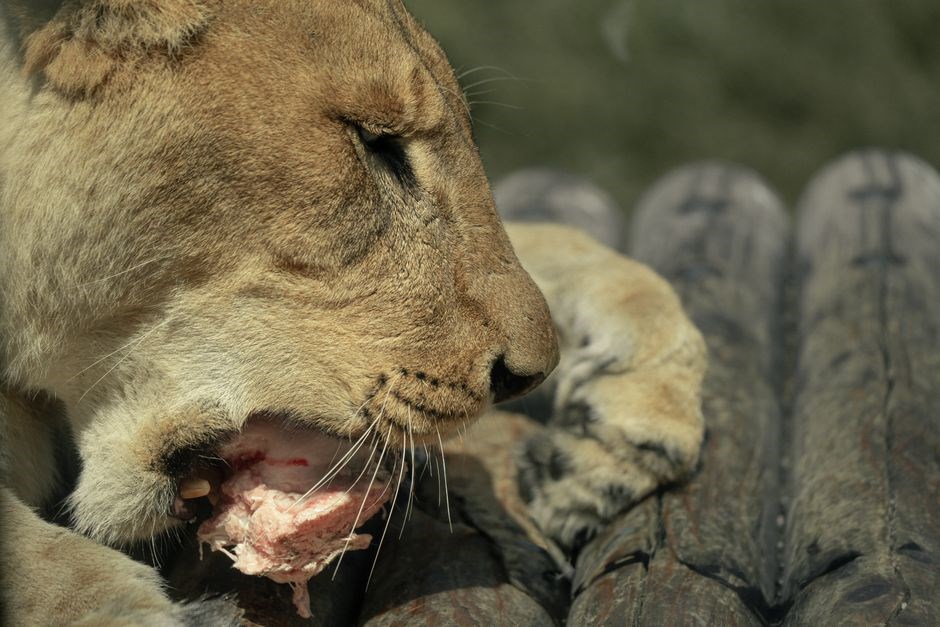
Bone Types and Nutrient Benefits
Rib bones, marrow bones, and femur pieces are the most valuable for captive lions. Rib bones provide dense calcium and phosphorus, essential for strong skeletal structure and dental health. Marrow bones are rich in fat‑soluble vitamins A, D, E, and K, supporting immune function and vision. Femur bones offer a high calcium‑to‑phosphorus ratio, ideal for bone remodeling and preventing osteoporosis in older individuals. When bones are cooked, the collagen fibers break down into gelatin, which aids joint lubrication and digestive enzyme production. A daily bone offering of 200–300 g per adult lion satisfies the mineral requirement without excess fat. Rotating bone types also prevents dietary monotony and encourages natural foraging behavior. Additionally, small portions of crushed bone dust can be mixed with meat to increase mineral density in the diet. Proper bone selection and portion control help maintain optimal body condition, reduce metabolic bone disease, and support reproductive success in captive populations.
In practice, bone feeding should be tailored to lion age, weight, health status. A veterinarian assessment helps determine the optimal bone size and frequency, ensuring that calcium intake does not exceed safe limits. Monitoring urinary calcium levels and observing for signs of hypercalcemia or pain are essential. When bones are offered, they should be fresh and free of contaminants, and any leftover bones should be discarded to prevent bacterial growth. This approach maintains skeletal integrity and well‑being daily.
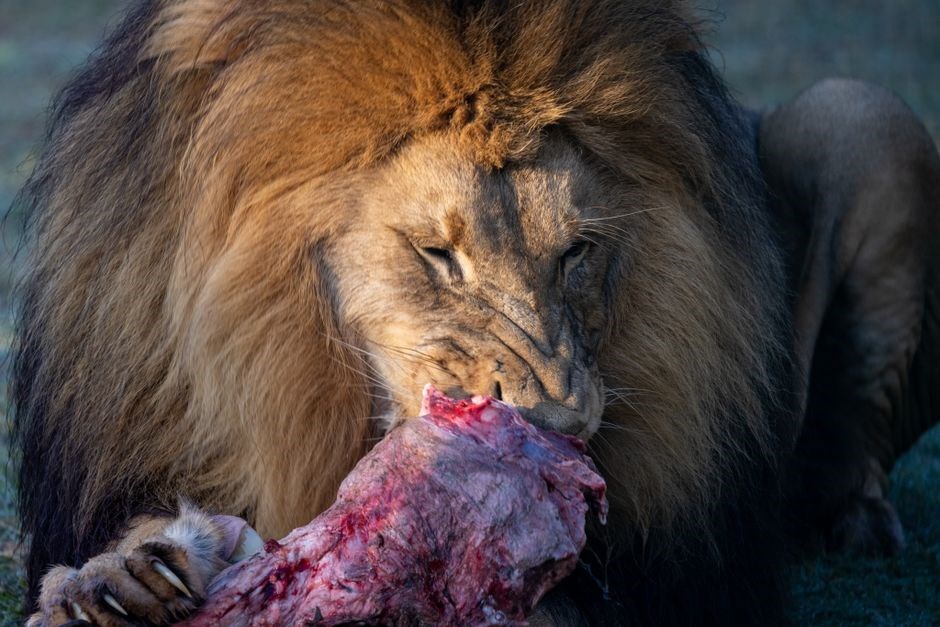
Feeding Schedule for Captive Lions
Captive lions receive two meals daily, spaced 8–12 hours apart. The first meal supplies 60% of calories, the second 40%. This mimics natural hunting, aiding digestion and preventing overeating. Adjust portions for weight, age, and health, and monitor body condition regularly Provide daily water and enrichment.
Two-Meal Per Day Protocol
In a controlled setting, lions receive two meals daily, spaced 8–12 hours apart. The first feeding, usually in the morning, supplies about 60% of the lion’s daily calories; the second, later in the day, provides the remaining 40%. This split mirrors natural hunting, allowing a fasting period that stimulates digestive enzymes and helps prevent obesity. Each meal consists mainly of fresh, unprocessed meat—such as beef, lamb, or goat—cut into manageable portions. A small amount of bone is added for calcium and phosphorus, while occasional organ meats like liver or heart supply vitamins A, B12, and iron. Water is available at all times, but a separate trough near each feeding area encourages immediate drinking. Staff monitor body condition scores and adjust portions monthly to keep weight within healthy limits. Consistency in timing and composition supports circadian rhythms, reduces stress, and promotes mental stimulation through natural foraging behaviors such as dragging meat or chewing bone. This protocol enhances overall well‑being and longevity in captivity. The feeding routine also incorporates enrichment tools such as hanging meat racks and puzzle feeders that require lions to manipulate food, thereby fostering problem skills and reducing stereotypic behaviors. Veterinary staff conduct routine blood panels to monitor metabolic markers, ensuring that the diet meets protein, fat, and micronutrient thresholds. Adjustments are made seasonally to reflect changes in levels and environmental temperature, ensuring that caloric intake aligns with energy expenditure. This comprehensive approach guarantees that captive lions maintain optimal health, capability, and mental welfare throughout their lifespan daily!
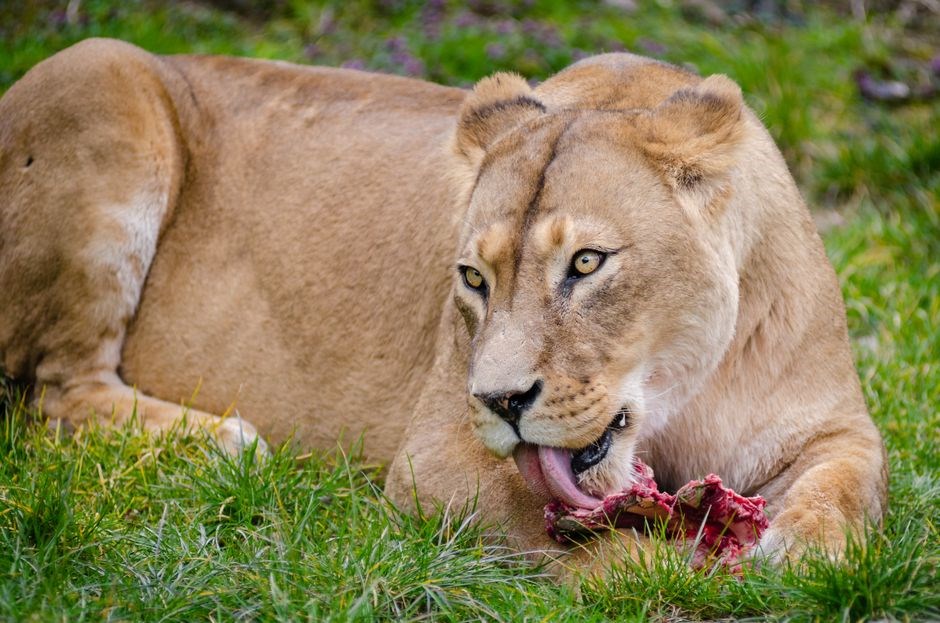
Special Diets for Different Life Stages
Pregnant and lactating lions need 30% more calories, focusing on protein and calcium. Juveniles require high protein and frequent meals. Senior lions benefit from softer meats and reduced fat to ease digestion. Portions adjust monthly by weight and activity. Ensure vet checks monthly to track growth adjust diet.
Diet for Pregnant, Lactating, Juvenile, and Senior Lions
Pregnancy and lactation increase energy demands by ~30 %. A balanced mix of lean beef, chicken, and organ meats, plus a calcium‑rich bone broth, supports fetal growth and milk production. Juvenile lions consume 1–2 kg of meat daily, divided into 3–4 small meals to maintain high protein levels and rapid growth. Senior lions benefit from softer, low‑fat meats, reduced portion size, and added fiber to aid digestion. All life stages require fresh water, a daily vitamin‑D supplement, and periodic veterinary bloodwork to adjust protein, fat, and mineral ratios. Feeding schedules should reflect activity levels: active juveniles eat more frequently, while seniors benefit from fewer, larger meals. Consistency, variety, and monitoring ensure optimal health across all ages.
Veterinary nutritionists recommend a 3:1 protein-to-fat ratio for lactating females, while juveniles may benefit from a slightly higher fat content to support rapid growth. Calcium supplementation should be monitored to prevent osteopenia, especially in older lions. Regular blood panels every 6 months help adjust micronutrient levels. Providing a variety of prey species reduces the risk of nutritional deficiencies and mimics natural hunting patterns. When feeding captive lions, staff should observe each animal’s response, adjusting portion sizes to prevent obesity or undernutrition. A balanced diet also includes occasional fruit or leafy greens to aid digestion and promote a healthy gut microbiome. Hydration is critical; water daily available times, intake recorded during feeding to ensure adequacy.
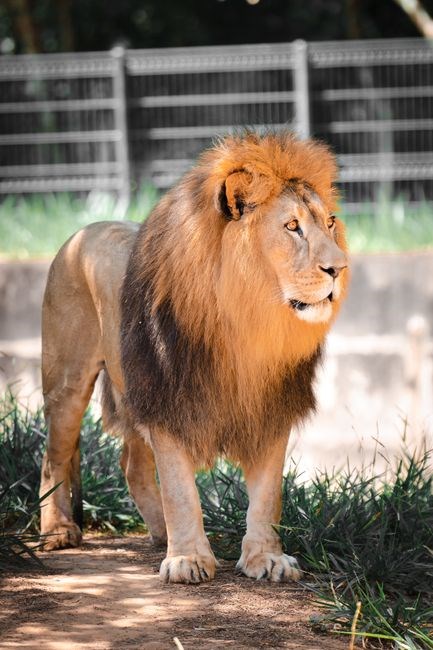
Creating a Lion Diet Meal Plan PDF
Use a word processor or LaTeX to design sections: Overview, Daily Intake, Protein Sources, Supplements, Feeding Schedule, Life‑Stage Variations. Include tables, images, checklist. Export to PDFPDF, ensuring font size 10–12, margins 1in, cover page with title and date.
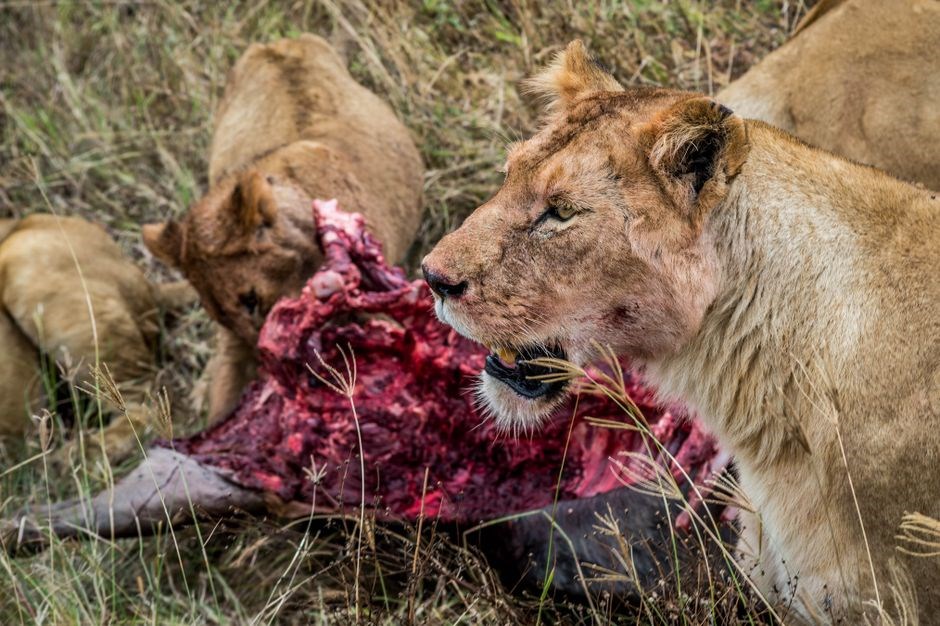
Essential Sections and Sample Format
Title Page: “Lion Diet Meal Plan – PDF” with date, zoo name, and author. 2. Executive Summary: brief overview of nutritional goals, caloric range (≈8–10 kg meat/day) and key protein sources. 3. Daily Intake Table: columns for meal time, weight of meat, bone, organ, and water volume. 4. Protein Source List: fresh beef, lamb, goat, and occasional wild game, with recommended portion sizes. 5. Supplement Section: calcium‑rich bones, liver, kidney, and vitamin‑rich greens for digestive health. 6. Feeding Schedule: two meals per day, 08:00 h and 18:00 h, with notes on timing relative to activity. 7. Life‑Stage Adjustments: separate sub‑tables for juveniles, pregnant, lactating, and senior lions, indicating higher protein or calcium needs. 8. Monitoring Checklist: weight, coat condition, stool quality, and water intake. 9. Appendices: source references, emergency feeding guidelines, and a printable feeding log. 10. Footer: page numbers, contact info, and copyright. Use a clean, sans‑serif font, 10‑pt size, 1‑in margins, and include high‑resolution images of recommended meats and bones. This format ensures clarity, consistency, and ease of use for zookeepers and veterinarians alike. Additionally, include a glossary of key terms such as “protein density”, “calcium‑to‑phosphorus ratio”, and “digestive enzyme activity” to aid staff understanding. A digital version can be linked to a spreadsheet for real‑time updates, and a feedback form allows caretakers to report deviations, enabling continuous improvement of the diet plan. The PDF should also feature a QR code linking to an online repository of the latest research on carnivore nutrition, ensuring that the plan remains evidence‑based. Finally, a printable “One‑Day Sample Meal” card can be attached for quick reference during routine feeding. To maintain consistency, the plan should be reviewed quarterly, with adjustments made based on body condition scoring and veterinary assessments. Training sessions for new staff should include a walkthrough of the PDF layout and a hands‑on demonstration of portioning techniques. All data are sourced from peer‑reviewed journals and the latest zoo nutrition guidelines, guaranteeing compliance with international welfare standards. All figures!