
Diamond Size Chart PDF Overview
Diamond size charts in PDF format provide a quick reference for gemists and jewelers, listing diameters in millimeters alongside carat weights․ These charts, often sourced from sites like Pinterest or specialtycasting․com, help designers estimate cut size and weight accurately․ Use it for precise design․ and more․!!! 🙂
What is a Diamond Size Chart?
A diamond size chart is a standardized reference tool that correlates a diamond’s physical dimensions—primarily its diameter in millimeters—to its weight in carats and, by extension, to its visual size in a finished setting․ The chart typically lists a range of carat values from the smallest lab‑grown stones (around 0․10 carat) up to the largest natural stones (over 5 carat), and for each weight provides the average diameter measured on a calibrated scale․ This information is crucial for jewelers, designers, and consumers who need to predict how a diamond will appear in a ring, pendant, or other piece of jewelry․ By consulting the chart, a designer can determine whether a given carat weight will meet a client’s desired visual impact, or whether a slightly larger or smaller stone is necessary to achieve the intended aesthetic․ The charts are often published as PDFs because the format preserves the precise layout and scale, allowing the user to print the table at 100 % size for on‑site reference․ Many online resources, such as Pinterest and specialty casting sites, offer downloadable PDFs that include additional notes on cut types, clarity, color, providing a comprehensive overview that supports both technical calculations and presentations․ In practice, the chart serves as a bridge between the abstract measurement of carats and the tangible experience of a diamond’s sparkle and presence in a finished piece․ Because the PDF format retains the exact pixel dimensions, jewelers can scale the chart to match the size of a design mock‑up or a client’s hand, ensuring that the visual representation aligns with the actual gemstone dimensions․
2026
Common Units: Millimeters, Carats, Points
Diamonds are measured in several interrelated units that help designers, buyers, and gemologists translate weight into visual size․ The most common metric is millimeter diameter, which is the straight line across the widest part of a round brilliant․ Millimeters provide a direct visual cue; a 6․5 mm stone will appear roughly twice as large as a 3․2 mm stone when set in comparable settings․ Carat is the traditional weight unit, where one carat equals 200 milligrams․ Carat weight is the primary factor that determines price, but it does not directly translate to size because cut quality and shape influence the final dimensions․ Points are a subdivision of carat, with 100 points equal to one carat․ Thus a 0․50‑carat diamond contains 50 points․ Points are useful for quick reference when discussing incremental changes in weight, such as a 10‑point increase that might add a few millimeters to the diameter in a well‑cut round․ When a jeweler consults a PDF size chart, the table typically lists carat values alongside their average millimeter diameters and point equivalents, allowing a designer to estimate how a 0․75‑carat, 5‑point, 4․6 mm diamond will look in a setting․ Understanding the relationship among these units ensures that the final piece meets both aesthetic expectations and budget constraints․ In practice, a designer might start with a desired visual diameter, look up the corresponding carat weight on the chart, and then confirm the point count to negotiate with a supplier․ This systematic approach reduces guesswork and improves communication across the supply chain․
Typical Diamond Size Ranges in Millimeters
When consulting a PDF size chart, designers quickly see how millimeter diameters map to carat weight․ The most common ranges span from the smallest 0․10 mm (a 0․10‑carat, 10‑point stone) up to the largest 6․45 mm (a 1․00‑carat, 100‑point gem)․ Below is a practical breakdown:
- 0․10–0․25 mm: 0․10–0․25 carat (10–25 points) – tiny accent stones․
- 0․26–0․50 mm: 0․26–0․50 carat (26–50 points) – micro‑diamonds for subtle sparkle․
- 0․51–1․00 mm: 0․51–1․00 carat (51–100 points) – common solitaire sizes․
- 1․01–2․00 mm: 1․01–2․00 carat (101–200 points) – medium‑to‑large center stones․
- 2․01–3․00 mm: 2․01–3․00 carat (201–300 points) – substantial, eye‑catching pieces․
- 3․01–4․00 mm: 3․01–4․00 carat (301–400 points) – large, statement jewelry․
- 4․01–5․00 mm: 4․01–5․00 carat (401–500 points) – premium, high‑visibility gems․
- 5․01–6․45 mm: 5․01–6․45 carat (501–645 points) – rare, show‑stopper diamonds․
These ranges help jewelers match client preferences with realistic expectations for size, weight, and price․
In practice, jewelers often cross‑reference the chart with a gem‑setting calculator to confirm that the chosen diameter will fit the intended setting․ For example, a 4․00 mm round brilliant will occupy roughly 0․90 carats when cut to a 1․5‑inch band, whereas a 3․50 mm stone may be closer to 0․70 carats․ Adjusting the cut depth or choosing a slightly larger or smaller diameter can bring the weight into the desired range without compromising the overall aesthetic․ Many designers also use the chart to negotiate with suppliers, ensuring that a requested 0․75‑carat stone will indeed measure around 3․00 mm in the final product․ By mastering the millimeter–carat relationship, jewelers can deliver pieces that meet client expectations for both visual impact and value․ This precision ensures client receives a piece that reflects the stone’s beauty․
Downloading and Viewing the PDF
Download a diamond size chart PDF from sites like Pinterest or Scribd․ Open it with Adobe Reader or a browser․ Print at 100% to preserve millimeter accuracy․ Use the “Actual Size” option to view true dimensions, ensuring reliable measurements for design․ Save the PDF for future reference and share it with clients
Popular Sources for Diamond Size Chart PDFs
Finding a reliable diamond size chart in PDF format is essential for designers who need quick access to accurate millimeter measurements․ Online platforms host these charts and download options․ They can be printed at true size․
- Pinterest – A visual discovery engine that hosts user‑generated boards․ Search for “diamond size chart pdf” and you’ll find a variety of infographics, printable tables, and downloadable PDFs․ The advantage is community input: users annotate charts with notes on shape, cut, or weight conversions․ However, quality can vary; verify before printing․
- Specialty Casting – A niche manufacturer site that provides conversion tools and downloadable charts․ Their “mm to carats” resource is tailored for jewelers who need to translate millimeter measurements into carat weight quickly․ The PDF includes a simple table and a brief explanation of the conversion formula, making it ideal for on‑the‑go reference․
- DiamondDB – An online database that offers a diamond size chart as part of its broader gem‑identification tools․ While the site may require a brief verification step, the PDF is free and includes a comprehensive table, plus links to related resources such as grading reports and cut guidelines․ It also offers a quick reference for conversions․
- Industry‑specific portals – Many professional jewelry associations host downloadable PDFs for members․ These often include additional data such as standard cut proportions, grading scales, and historical size trends․ Access typically requires a membership or a short registration process․ It also provides quick conversion charts․
Ensuring Accurate Print Size from PDF
When you download a diamond size chart PDF, the first step to preserving the millimeter scale is to verify the document’s resolution․ Most charts are created at 300 dpi, which is the standard for print․ If the PDF reports a lower resolution, you’ll need to upscale or re‑create the chart in a vector program to avoid pixelation․ Next, check the page size in the PDF properties․ A 8․5 × 11 inch page with a 1‑inch margin will display a 1‑inch diamond as 25․4 mm on screen, but if you print at 100 % scaling, the printed size will be accurate․ Use the “Actual Size” or “100 %” option in your PDF viewer rather than “Fit” or “Shrink to Printable Area․”
After confirming scaling, set your printer’s DPI to match the PDF’s resolution․ Many laser printers default to 600 dpi, which will still print the chart accurately, but if you’re using an inkjet, set it to 300 dpi to avoid blurring․ Always preview the print job; most PDF readers show a print preview that includes a ruler overlay․ If the ruler does not match the chart’s millimeter markings, adjust the printer’s scaling to 100 %․ Finally, use a calibrated color profile and a high‑quality paper stock to ensure that the printed lines remain crisp and the millimeter marks are legible․ By following these steps, you’ll guarantee that the printed chart reflects the true dimensions of the diamonds it represents․
For best results keep the PDF file uncompressed and use a high-res printer If the chart appears blurry check that the PDF viewer is set to 100 % zoom Printing on matte paper reduces glare making the millimeter lines easy to read
Using the Chart for Jewelry Design
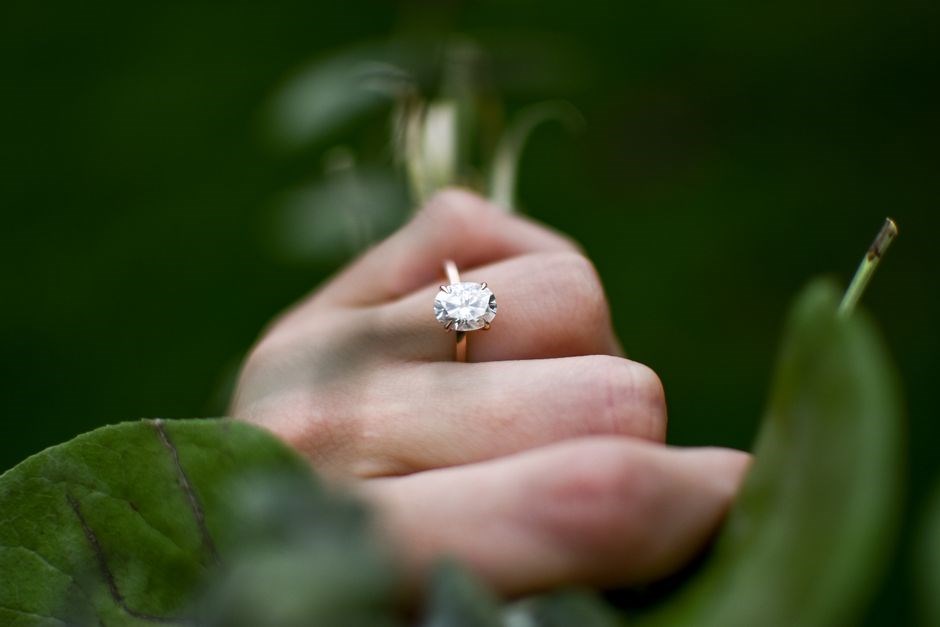
Jewelry designers use the mm chart to match diamond diameter with desired carat weight․ By referencing the table, they select a cut that fits the ring setting, ensuring visual balance․ The chart also aids in estimating bezel width and setting depth for best sparkleIdeal for ring design․Try․
Calculating Diamond Weight from Diameter
When a jeweler measures a stone’s diameter, the next step is to translate that linear dimension into a mass value․ The chart provides a direct mapping: each millimeter size corresponds to a specific carat figure, derived from the standard 1‑carat diamond’s average diameter of 6․45 mm․ By locating the measured diameter on the table, the designer reads the associated carat weight, which can be refined by considering cut shape and depth․ For example, a 4․00 mm round brilliant typically falls near 0․30 carats, while a 5․50 mm cushion cut may align with 0․70 carats․ The chart also lists points—one‑hundredth of a carat—allowing precise adjustments for custom settings․ This method streamlines the design process, ensuring that the visual size matches the intended weight and that the final piece meets client expectations․ By cross‑referencing the diameter with the carat column, designers can quickly verify that a proposed ring size will accommodate the chosen gemstone without compromising structural integrity or aesthetic appeal․
The chart’s precision allows designers to fine‑tune gemstone selection, ensuring that each piece not only meets aesthetic standards but also complies with industry weight guidelines․ By referencing the diameter-to-carat conversion, jewelers can confidently propose ring sizes that balance visual appeal with structural durability․ This approach streamlines production, reduces waste, and enhances customer satisfaction․ Such precise calculations align cuts with market expectations, enhancing brand trust․
Estimating Carat Weight for Desired Size
When a client specifies a visual diameter for a diamond—say 4․75 mm—designers turn to the PDF chart that pairs millimeter measurements with standard carat values․ The chart originates from the industry’s consensus that a 1‑carat round brilliant averages 6․45 mm in diameter․ By locating the target diameter on the table, the corresponding carat figure is read directly․ If the desired size sits between two listed points, interpolation is applied: subtract the lower diameter from the target, divide by the difference between the two diameters, then multiply by the carat difference, and add to the lower carat value․ This yields a precise estimate․ For example, a 4․75 mm diamond lies between 0․35 carat (4․40 mm) and 0․40 carat (5․00 mm); the calculation gives approximately 0․38 carat․ Designers also consider cut depth and shape; a cushion cut of the same diameter may weigh slightly more due to a higher table percentage, so a small adjustment (often 0․01–0․02 carat) is added․ The chart also lists points—each 0․01 carat—allowing fine‑tuning for custom settings․ By using the chart’s data, jewelers can match client size requests with accurate weight, ensuring consistency across collections and meeting market pricing standards․ For rings, the diameter estimate translates into band width, influencing the overall design․ When working with non‑round cuts, designers cross‑reference the chart with depth‑to‑diameter ratios specific to that cut, ensuring the visual size aligns with the calculated weight․ This systematic approach reduces guesswork, improves production efficiency, and enhances customer confidence in the final piece․ Additionally, jewelers often verify the estimate by using a caliper to measure the actual stone before setting, ensuring the printed chart aligns with real measurements․ In high‑volume production, the chart serves as a quick reference to standardize weight across batches, reducing variability․ For custom orders, the chart can be printed at true scale, allowing the designer to physically compare the stone’s size with the chart’s diagram, ensuring the final piece meets the client’s expectations․ Finally, the chart’s utility extends beyond design; it aids in pricing calculations, as carat weight is a primary factor in valuation․ By mastering the diameter‑to‑carat conversion, jewelers can confidently navigate the trade between visual appeal and market value, delivering pieces that satisfy both aesthetic and financial criteria․
Industry Practices and Standards
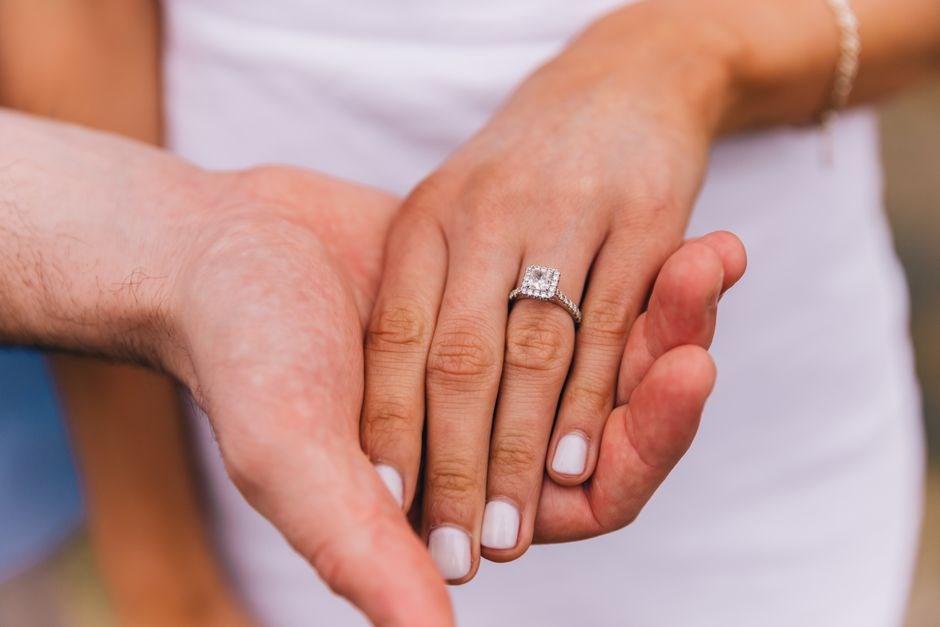
Diamond size charts in PDF are industry staples, guiding manufacturers on standard diameters for each carat․ They inform cut depth, setting dimensions, and pricing models․ Regulatory bodies reference these charts for certification, ensuring consistency across global markets․ The charts also support quality control traces․
Jewelry Manufacturers’ Use of Size Charts
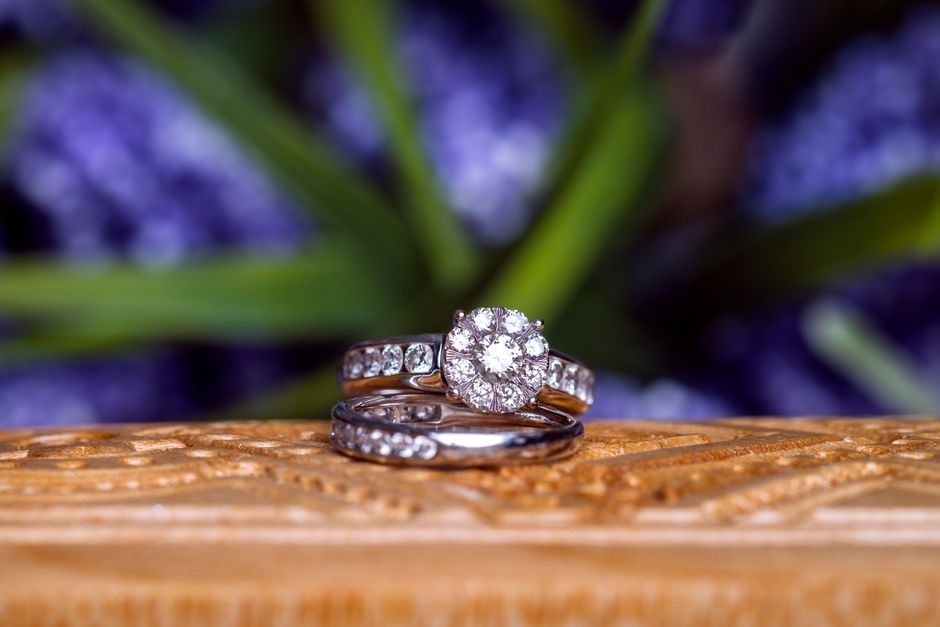
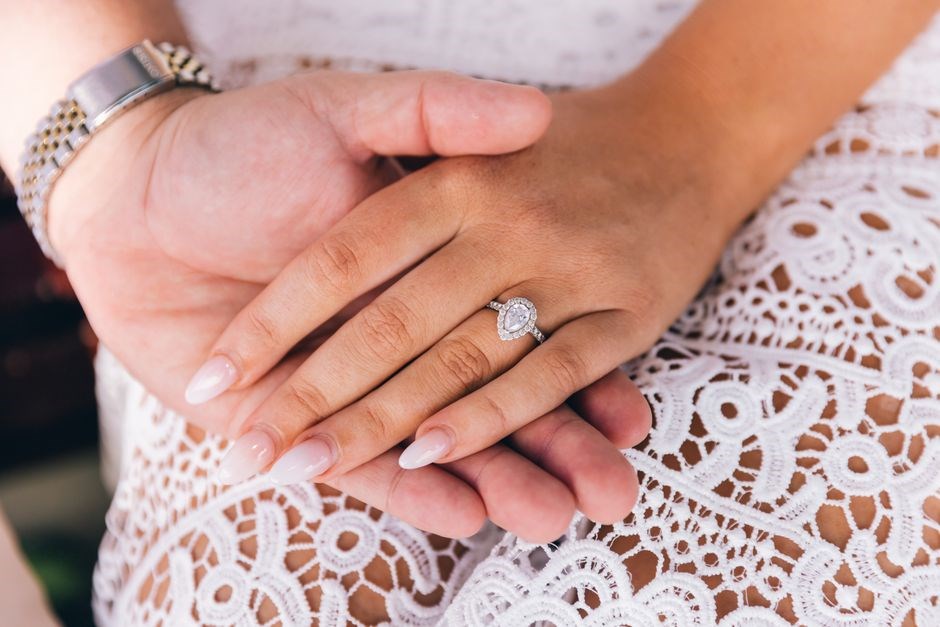
Manufacturers often customize the PDF chart to reflect their grading criteria․ Overlaying proprietary data onto the standard chart lets them maintain edge while adhering to standards․ The chart aids marketing by allowing retailers to present customers with measurable comparisons between carat options building trust and simplifying decision‑making․
Regulatory and Certification Considerations
Regulatory bodies such as the Gemological Institute of America (GIA) and the International Gemological Institute (IGI) mandate that diamond measurements be reported with precision․ The PDF chart must align with the ISO 17025 accreditation standard, ensuring that the millimeter values correspond to certified carat weights․ Manufacturers are required to verify that the conversion from millimeters to carats follows the accepted formula: 1 carat = 100 points, 1 carat = 0․20 g, and that the chart reflects the average diameter for round brilliant cuts․ Certification agencies often audit the PDF to confirm that the data matches laboratory measurements taken at 1 mm increments․ Additionally, the United States Federal Trade Commission (FTC) requires that any advertised size be accurate within a 5 % margin․ To comply, jewelers embed a watermark indicating the source lab and the last audit date․ When a customer requests a specific carat, the chart must provide a corresponding millimeter range that accounts for cut grade variations․ Failure to meet these standards can result in penalties, including fines and revocation of the manufacturer’s license․ Consequently, many companies maintain an electronic version of the PDF that is automatically updated whenever a new grading methodology is released, ensuring ongoing compliance and consumer confidence․ Such meticulous documentation ensures transparent trade and builds trust today․
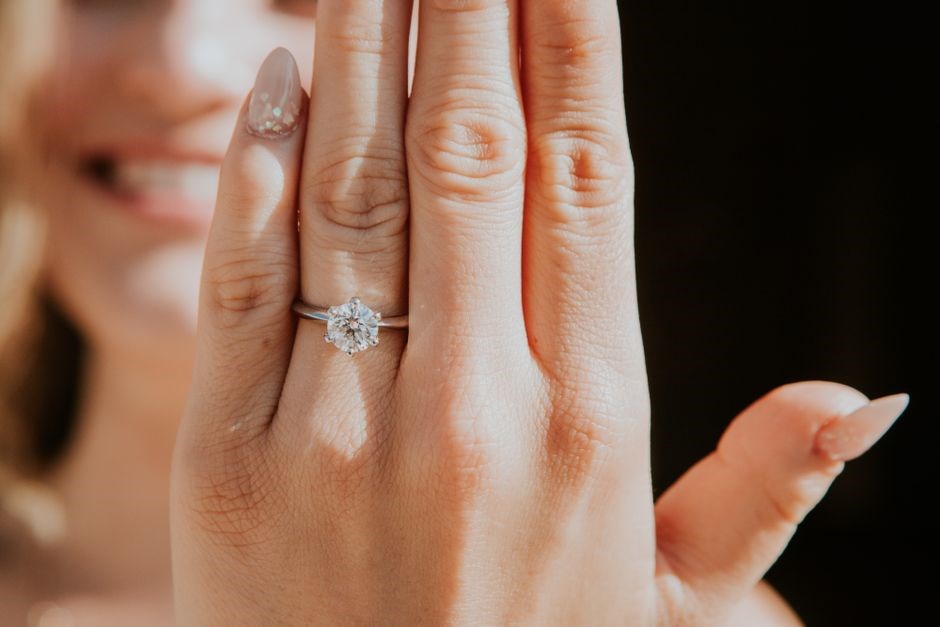
and Further Resources
In the realm of fine jewelry, a diamond size chart PDF serves as an indispensable reference, translating millimeter measurements into carat weight with precision․ By presenting a clear, visual guide, the chart enables designers to plan cuts, set expectations, and negotiate with suppliers confidently, ensuring that every piece meets the desired aesthetic and market standards․ The chart’s accuracy is validated by industry standards, ensuring that the final polished gem matches the advertised weight․ The chart converts a stone’s millimeter diameter into a carat estimate, guiding the cut to match budget․ Designers use the chart to estimate weight before cutting, time and reducing waste by over‑cutting․ The chart is a critical tool for jewelers who need to balance cost, quality, and customer satisfaction, and it supports the entire value chain from rough stone selection to finished product․ By integrating the chart into design software, manufacturers can automate calculations, reduce human error, and streamline production schedules․ The chart’s PDF format allows for offline access, true‑scale printing, and easy sharing across platforms, making it a versatile resource for workshops, educational settings, and online marketplaces․ For those who wish to delve deeper, reputable sources such as the Gemological Institute of America (GIA) and the International Gemological Institute (IGI) offer downloadable charts that align with ISO standards, and specialty casting firms provide conversion calculators that translate millimeter measurements into carat values․ Academic journals on gemology frequently publish studies on the relationship between diameter and weight, offering insights into how cut quality influences perceived size․ By consulting these resources, professionals can stay current with evolving industry norms, maintain compliance with regulatory requirements, and deliver products that meet the highest standards of quality and transparency․ Ultimately, the diamond size chart PDF serves as a foundational reference that supports informed decision‑making, enhances precision in design, and fosters trust between manufacturers, retailers, and consumers․ For further reading, consider exploring the GIA’s official website, the IGI’s certification portal, and the industry‑specific forums hosted by specialty casting communities․ These platforms provide ongoing updates, peer‑reviewed data, and a network of experts ready to answer questions and share best practices․ Embracing these tools will help ensure that every diamond selection is both scientifically accurate and aesthetically pleasing․